Dual-energy X-ray Absorptiometry (DXA) Imaging

Overview | DXA Studies for Bone Density | DXA Scan Candidates | DXA Body Composition Analysis | Body Composition DXA Scan Candidates | Preparation | What to Expect | Results

At University Radiology, we offer comprehensive bone density and body composition testing through the use of dual-energy absorptiometry (DXA) scans. These tests are essential for understanding the effects of osteoporosis, body fat levels and distribution, and changes in muscle mass.

We offer DXA bone scans at many of our clinics as well as body composition scans and Trabecular Bone Score (TBS) at our Somerset-Veronica and Teaneck locations. You can schedule a DXA exam by calling 732.390.0033 or using our online scheduling system.

Dual-energy X-ray Absorptiometry (DXA) Imaging
walk-in x-ray

What is a DXA Scan?

A DXA scan, also called a DEXA scan, is an enhanced x-ray that is used to measure bone mineral density (BMD), muscle mass, and fat levels in the body. The test is fast, noninvasive, and inexpensive, especially when completed at an outpatient radiology facility. The small amount of radiation used in a DXA scan is similar to a normal X-ray.

DXA machines use two X-ray beams that move over the body at the same time. The beams have distinct energy levels and are absorbed differently by muscles, bones, and fat deposits, creating a multi-layered picture of the body. This allows doctors to get a comprehensive understanding of bone health and body composition in a single test.

DXA Studies for Bone Density

A bone density test, or bone densitometry, uses DXA technology to measure the levels of calcium in your bones to calculate your bone mineral density (BMD). The exam is typically used to identify osteoporosis, evaluate a patient’s risk for fractures, and monitor the effects of osteoporosis treatment. DEXA scans can measure BMD at various skeletal sites, most commonly the lumbar spine and hip.

DXA studies at University Radiology’s Freehold location also utilize advanced software to give patients a Trabecular Bone Score (TBS). By combining TBS with traditional BMD measurements (called T-scores), the software provides detailed information on where bone density is weakest, the patient’s overall fracture risk, and treatment recommendations.

Bone density scans are not the same as nuclear medicine bone scans, and are not used to identify bone lesions like cancer.

Who should have a DXA scan?

Women should have their first bone density scan at age 65 or after menopause – whichever comes first. Men should have an initial DXA scan at age 70. Patients with certain risk factors may need bone density testing at a younger age. These risk factors include:

  • Family history of osteoporosis
  • Broken bones after age 50
  • History of spine fractures
  • Height loss of ½ inch or more within one year or a total of 1 ½ inches
  • Long-term corticosteroid use
  • Low body weight/BMI
  • History of cancer or cancer treatments that affect estrogen or testosterone levels
  • History of smoking or excessive alcohol consumption

DXA Body Composition Analysis

Body Composition Analysis scans deliver precise and accurate information on soft tissue composition, including lean tissue mass, fat mass, and visceral fat. These scans provide both total body and regional data results (the abdomen, arms, legs, pelvis, etc.).

Dual-energy X-ray absorptiometry looks beyond weight and body mass index (BMI) to measure body fat percentage and see where fat mass is concentrated in the body. DXA exams can assist in the diagnosis and treatment of conditions like:

  • Obesity
  • Anorexia nervosa and other eating disorders
  • Cystic fibrosis
  • Wasting syndrome (caused by HIV/AIDS)
  • Chronic renal failure

In all these cases, body composition measurement contributes to a thorough patient evaluation and helps physicians monitor the effects of therapy, diet or exercise. In sports medicine, DXA scans are also used to optimize athletic performance by monitoring the effects of targeted training programs.

Who Should Get a Body Composition DXA Scan?

  • People taking GLP-1s for weight loss
  • Patients who’ve had bariatric surgery
  • Those at risk for sarcopenia (muscle loss)
  • Athletes participating in targeted training programs
  • Patients with celiac disease or cystic fibrosis

How Do I Prepare for a DXA Test?

A physician’s prescription is required for DXA bone density exams and should include the reason for the exam and any relevant symptoms. A prescription is not required for DXA Body Composition scans. Body Composition patients may schedule their exam directly but must provide the name of a primary care provider (PCP) at the time of scheduling.

Patients who are or may be pregnant should not get a DXA scan, as the radiation may cause harm to the fetus. You may be asked to take a pregnancy test before your scan.

Before your test, you should:

  • Eat and drink normally.
  • Do not take any over-the-counter vitamins, calcium pills or calcium supplements within 24 hours of your exam.
  • Remove glucose monitoring devices before your scan, as the radiation may damage the device and cause incorrect readings.
  • Wear clothing to your appointment with an elastic waist to avoid having to change clothing.
  • Arrive at least 15 minutes prior to your scheduled appointment.

Avoid scheduling your DEXA procedure within 7 days of any tests that use contrast dye, like some CT scans and nuclear medicine tests.

What should I expect during the test?

When you arrive for your DXA scan, a technologist will go over the procedure with you and ask relevant questions about your medical history. They’ll also confirm that you’ve removed all jewelry and aren’t wearing any clothing containing metal (like zippers and buttons). If needed, you’ll receive a medical gown to wear during the test.

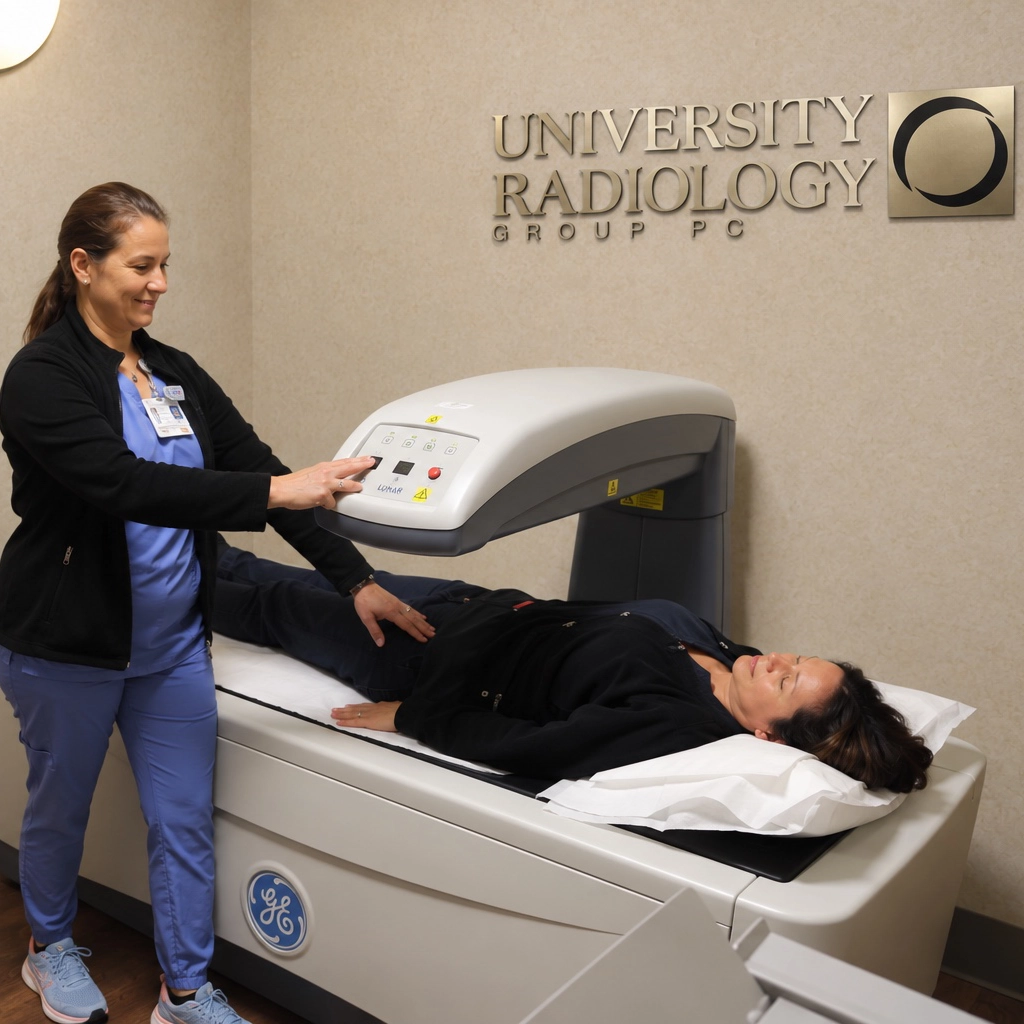
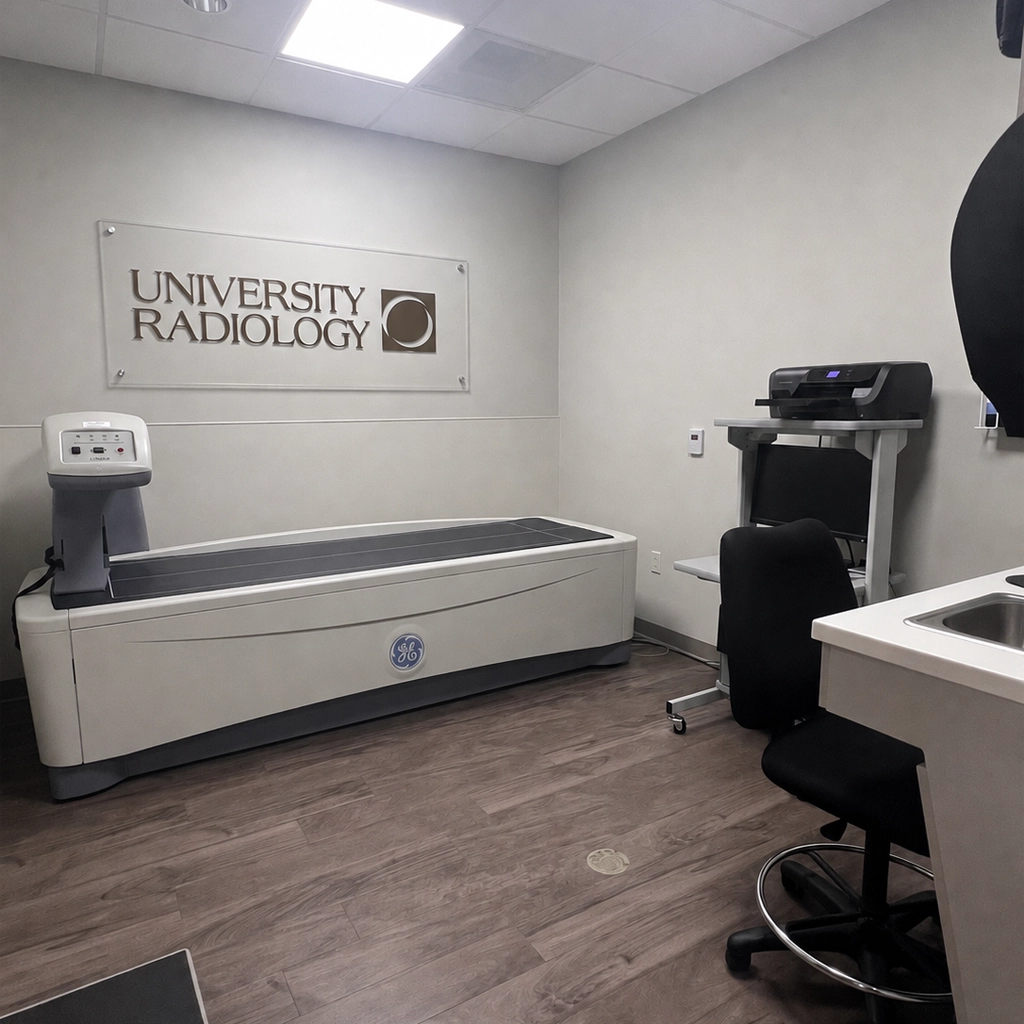
When you’re ready, you’ll be brought into an X-ray room with a DXA machine. You’ll lie on a padded table under an arm-like scanner.

The technologist will go into a connected room to start the DXA machine. During the test, the machine’s scanner will move over your body to take pictures. You’ll need to hold still during the procedure to ensure clear picture quality. The entire test takes less than 30 minutes.

DXA Scan Results

After your DXA scan is complete, your test results are reviewed by one of our highly trained radiology physicians. The radiologist will put together a detailed report and send it to the referring doctor. Your doctor should then reach out to you to discuss your results.

In most cases where osteoporosis is found, repeat scans will be ordered for 1-2 years in the future. Whenever possible, try to schedule your future bone density scans at the same location as your first appointment.

For more information about Dual-energy X-ray Absorptiometry (DXA) Imaging at University Radiology Group, or to schedule an appointment with one of our specialists, please contact us.